
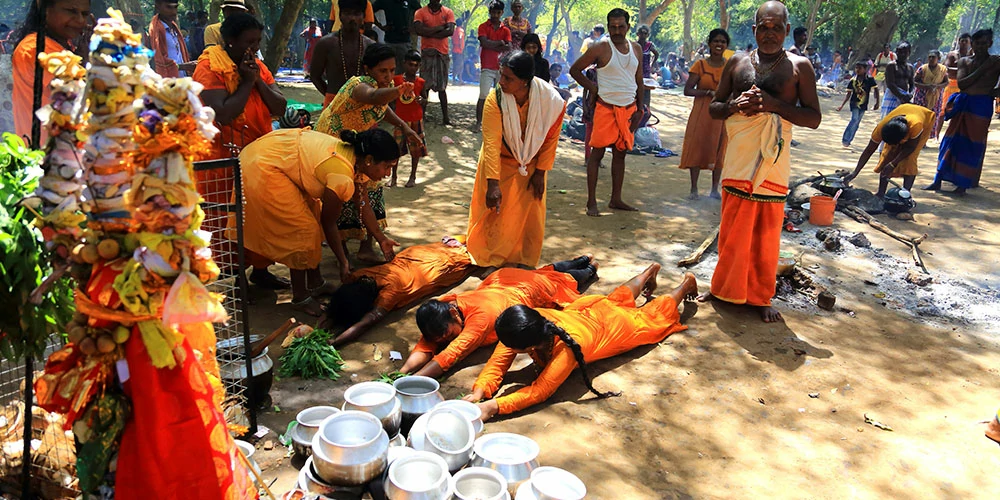
Nestled along Sri Lanka’s southeastern coastline, Panama holds a unique and deeply respected place in the island’s cultural and spiritual landscape. It is traditionally known as the gateway for the Pada Yatra pilgrimage, an ancient foot journey undertaken by devotees traveling toward the sacred site of Kataragama.
A Historic Pilgrimage Route
The Pada Yatra is one of Sri Lanka’s oldest continuing pilgrimage traditions. Devotees, including monks and lay pilgrims, travel on foot across forests, rivers, coastal stretches, and rural villages. Panama serves as a key starting or passage point for many pilgrims, especially those approaching from the eastern and coastal regions.
This journey is not only physical but also spiritual. It represents discipline, devotion, and purification, as pilgrims often walk for days or weeks with minimal possessions, relying on nature and community support along the way.
Spiritual and Cultural Significance of Panama
Panama is more than a geographic location it is a living cultural landscape. The village reflects a blend of Sinhala, Tamil, and indigenous traditions, shaped by centuries of coexistence and shared heritage.
Its role in the Pada Yatra has made it a symbolic threshold between everyday life and sacred pilgrimage. For many devotees, stepping through Panama marks the beginning of a transformative spiritual journey toward Kataragama, a revered multi-religious pilgrimage center in Sri Lanka.
Connection to Living Heritage
The pilgrimage route and its traditions are closely linked to cultural preservation efforts and heritage awareness. Organizations and cultural platforms such as Kataragama.org help document and share the historical, spiritual, and ecological importance of this journey.
These efforts highlight how Panama and the Pada Yatra are not just relics of the past but continue to be part of a living heritage practiced even today.
A Journey Through Nature and Faith
Pilgrims passing through Panama experience diverse landscapes—dry zone forests, lagoons, and wildlife corridors. The journey emphasizes harmony with nature, as travelers move respectfully through environments considered sacred and life-sustaining.
The practice also encourages values of simplicity, resilience, and mindfulness, making it both a cultural and ecological experience.
Panama remains a powerful symbol of continuity between tradition and spirituality. As the traditional gateway for the Pada Yatra, it connects generations of pilgrims to an ancient path of devotion leading toward Kataragama. Today, it continues to stand as a reminder of Sri Lanka’s rich spiritual heritage and the enduring significance of pilgrimage traditions.