
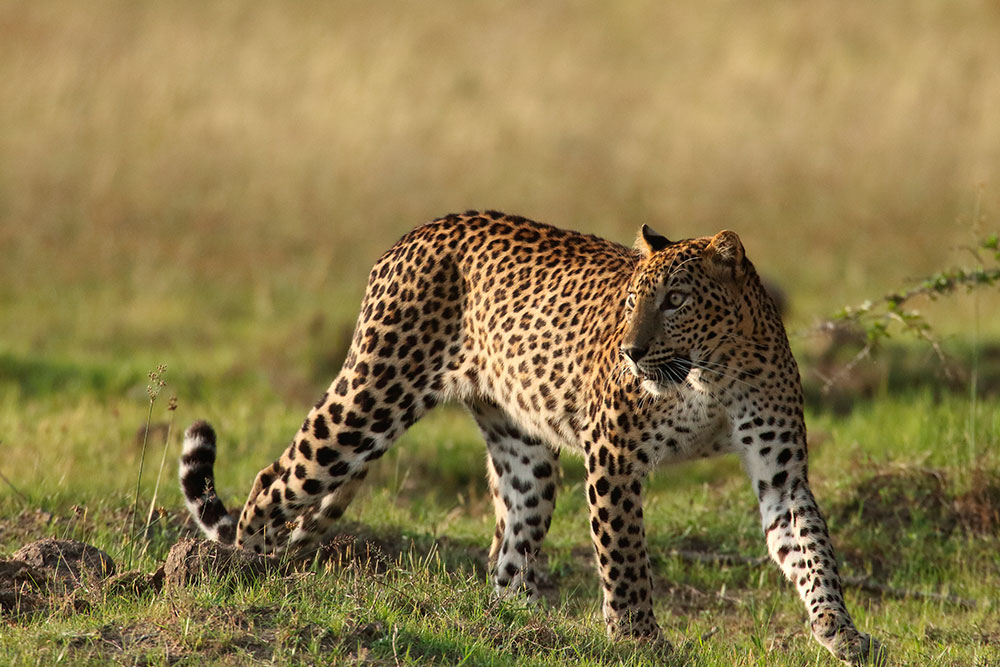
Sri Lanka may look small on the map, but that compact size is exactly what makes it powerful for wildlife travel.
You can spend one afternoon watching elephants move through a reservoir and the very next morning scanning scrubland for leopards without losing days to long road journeys.
Yet many travelers leave feeling disappointed. Not because wildlife is rare, but because:
-
They picked the wrong park for their goal
-
They visited at the wrong time of day
-
They relied on poorly informed jeep operators
-
They followed crowd rumors instead of animal behavior
This guide explains how Sri Lanka safaris actually work where to go, when to go, what to expect, what to pack, and what mistakes to avoid. No marketing fluff. Just practical, field-tested advice.
Why Sri Lanka Is a Strong Safari Destination
Sri Lanka is considered one of Asia’s most wildlife-dense countries relative to its size. Its protected areas concentrate animals around water reservoirs, dry forests, and grasslands especially during dry seasons.
Key Advantages
-
Short travel distances between ecosystems
-
High year-round elephant sighting probability
-
Globally recognized leopard habitats
-
Lower cost compared to African safaris
-
Half-day safari options widely available
Smaller and quieter parks such as Kumana National Park are known for birdlife and lower vehicle congestion, offering a more relaxed experience.
Best National Parks by Wildlife Goal
Leopard Safaris
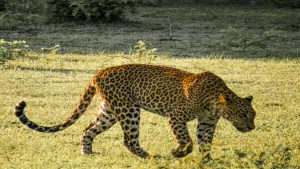


Yala National Park
If leopards are your priority, Yala is the leading choice. It has one of the highest recorded leopard densities in the world.
Pro tips:
-
Enter right at park opening
-
Avoid long holiday weekends
-
Choose less crowded blocks when possible
-
Hire a driver experienced in tracking, not chasing
Elephant Safaris (Reliable & Beginner-Friendly)
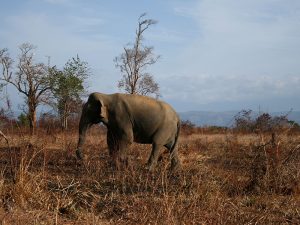
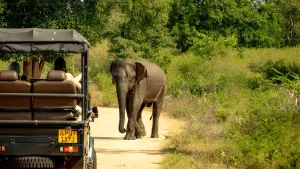

Udawalawe National Park
Known for consistent elephant encounters due to open terrain and water reservoirs.
Why it works well:
-
Excellent visibility
-
Large elephant population
-
Ideal for first-time safari travelers
-
Strong photography conditions
Nearby, the Elephant Transit Home offers an educational conservation visit.
Seasonal Elephant Gathering
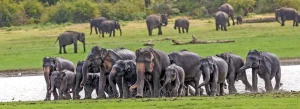


Minneriya National Park
During the dry months (typically mid-year), elephants gather around the reservoir in large numbers.
Best timing:
-
Dry season months
-
Late afternoon drives
-
Expect social herd behavior and large group sightings
Low-Crowd Alternative


Wilpattu National Park
Known for natural lakes (“villus”), longer safari drives, and fewer vehicles.
Highlights:
-
Less traffic
-
Sloth bear sightings possible
-
Excellent bird diversity
Best Time for Wildlife Sightings
Timing directly affects your safari results.
General rules:
-
Dry months = higher animal visibility
-
Early morning = predator movement
-
Late afternoon = elephant activity
-
Heavy monsoon periods can limit access
Weather patterns vary by region, so match your travel dates to the right park season not just the calendar month.
How Sri Lanka Safari Jeeps & Park Entry Work (Step-by-Step)
Understanding the process prevents mistakes.
Basic booking flow:
-
Choose park based on wildlife goal
-
Select morning or afternoon safari
-
Book licensed jeep operator
-
Confirm guide/tracker inclusion
-
Pay park entrance + vehicle fees
-
Enter park following ranger rules
Private jeeps allow flexibility. Shared jeeps reduce cost but limit control over timing.
What to Pack for a Sri Lanka National Park Safari
Clothing
-
Wear earth-toned or neutral colors like beige, khaki, olive, or brown
-
Choose lightweight, breathable fabrics (cotton or linen)
-
Dress in loose layers for changing temperatures
-
Bring a wide-brim sun hat or cap for protection
Equipment
-
Binoculars for spotting animals at a distance
-
Camera with a zoom or telephoto lens
-
Dust cover or camera bag
-
Extra batteries and memory cards
-
Lens cleaning cloth (dust builds up quickly)
Health & Comfort
-
At least 2 liters of drinking water
-
Electrolyte packets to prevent dehydration
-
Motion sickness tablets (jeep rides can be bumpy)
-
High-SPF sunscreen (sweat-resistant)
Open-top safari jeeps expose you directly to strong sun, wind, and dust. Sunburn can happen fast—especially during late morning and afternoon drives—so applying sunscreen in advance is very important.
Important Safari Checklists
To avoid last-minute problems, go through these checkpoints before your trip.
Before Booking Your Safari
-
Select the right park based on the wildlife you want to see
-
Check the best season for animal sightings
-
Confirm the park’s opening days
-
Book a licensed jeep and experienced driver
-
Choose and confirm your safari time slot
-
Review recent animal sighting updates
The Night Before Your Safari
-
Fully charge your camera and phone
-
Empty and format memory cards
-
Lay out your safari clothes
-
Keep a copy of your ID/passport
-
Reconfirm pickup time with your driver
-
Pack water, sunscreen, and hat
What to Have During the Jeep Ride
-
Safari booking confirmation
-
Passport copy
-
Binoculars
-
Water bottles
-
Sunscreen and hat
-
Basic medication
Safety Guidelines
When visiting national parks in Sri Lanka, simple safety habits make a big difference.
-
Remain seated inside the safari jeep at all times
-
Avoid using flash when taking photos
-
Do not ask drivers to chase or corner wildlife
-
Keep a respectful viewing distance
-
Drink enough water to prevent dehydration
-
Follow park ranger instructions without delay
Wildlife authorities stress that maintaining distance protects both visitors and animals.
Ethical Wildlife Practices
Responsible tourism helps preserve Sri Lanka’s fragile ecosystems and supports local communities.
-
Never feed wild animals
-
Keep noise levels low
-
Do not request off-road driving to get closer
-
Book licensed, certified safari operators
-
Avoid overcrowding animal sightings
Conservation experts agree that ethical behavior supports long-term wildlife protection.
Understanding Sri Lanka Safari Costs
Safari prices vary depending on the park and vehicle type, especially in places like Yala National Park or Udawalawe National Park.
Typical expenses include:
-
Park entry ticket
-
Jeep rental
-
Driver or guide fee
-
Camera fee (in some parks)
-
Seasonal price differences
Comparing a few operators can often reduce costs by 15–25%.
Common Safari Mistakes to Avoid
-
Choosing the wrong park for the season
-
Booking only midday drives (animal activity is lower)
-
Selecting the cheapest jeep without checking reviews
-
Ignoring weather-related park closures
-
Failing to check recent wildlife sighting updates
Experienced guides emphasize that proper timing and park selection matter more than luck.
5-Day Sri Lanka Safari Plan (Balanced & Relaxed)
Day 1–2: Elephant-focused park
Day 3: Transfer + rest
Day 4: Leopard safari
Day 5: Birding or quieter reserve
This pacing prevents fatigue and increases wildlife variety.
Frequently Asked Questions – Sri Lanka Safari Tips
Are safaris in Sri Lanka worthwhile?
Yes. The parks are relatively compact, which increases the chances of wildlife sightings.
Where can I see the most leopards?
Yala is well known for its high leopard density.
Is advance booking necessary?
During peak travel seasons, pre-booking is strongly recommended.
Are safaris suitable for children?
With licensed operators and proper supervision, they are generally safe.
Can visitors drive their own vehicles inside parks?
No. Entry is allowed only with registered safari jeeps and authorized drivers.
Planning Your Sri Lanka Safari
Memorable safari experiences don’t usually rely on luck.
They are the result of making the right choices before you even enter the park.
Keep this guide for reference. Pass it along to the people traveling with you. Follow the checklist carefully. Then design an itinerary that matches your travel dates, wildlife priorities, and how comfortable you are with early starts.
If you’d like, the next step can be creating a park-by-season safari plan tailored specifically to your travel period.